A new development in materials science is helping advance high-temperature superconductor research. Boron nitride ceramic discs are now being used as substrates for thin film deposition. These discs offer exceptional thermal stability and electrical insulation. They can withstand extreme temperatures without warping or degrading. This makes them ideal for growing high-quality superconductor films.
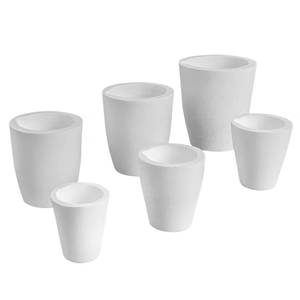
(Boron Nitride Ceramic Discs for Substrates for High Temperature Superconductor Thin Film Deposition)
Scientists need reliable platforms to deposit thin films of superconducting materials. Traditional substrates often fail under the intense heat required. Boron nitride stays stable even above 1,000 degrees Celsius. It also has a smooth surface that supports uniform film growth. This leads to better performance in the final superconducting devices.
The ceramic discs are made using advanced sintering techniques. This ensures high purity and consistent structure. Impurities can ruin superconductor properties, so cleanliness matters. Boron nitride meets these strict standards. It does not react with most deposition chemicals. This keeps the film composition accurate and predictable.
Manufacturers are scaling up production to meet rising demand. Labs around the world are testing these substrates in real-world applications. Early results show improved critical current density and fewer defects. That means more efficient and powerful superconducting systems. The discs are also reusable after proper cleaning, which lowers long-term costs.
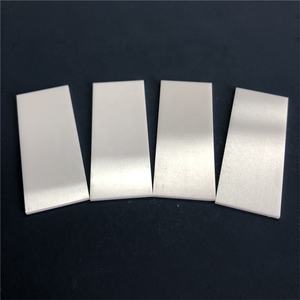
(Boron Nitride Ceramic Discs for Substrates for High Temperature Superconductor Thin Film Deposition)
Researchers say this material could speed up progress in energy transmission, medical imaging, and quantum computing. All these fields rely on stable, high-performance superconductors. Boron nitride ceramic discs provide a solid foundation—literally—for next-generation innovations. Their unique mix of heat resistance, purity, and reliability fills a key gap in current lab capabilities.