Boron nitride ceramic crucibles are now playing a key role in the vacuum hot pressing of ceramic matrix composite materials. These crucibles offer high thermal stability and excellent resistance to chemical reactions. That makes them ideal for use in demanding high-temperature processes.
(Boron Nitride Ceramic Crucibles for Vacuum Hot Pressing of Ceramic Matrix Composite Materials)
Manufacturers rely on boron nitride because it does not react with most molten metals or ceramics. It also maintains its shape and strength even under extreme heat. This reliability helps ensure consistent results during the production of advanced composites.
The vacuum hot pressing method requires materials that can handle both intense pressure and temperatures above 1,800 degrees Celsius. Boron nitride meets these requirements without degrading or contaminating the final product. Its smooth surface also prevents unwanted sticking, which simplifies part removal after processing.
Recent improvements in manufacturing techniques have made boron nitride crucibles more durable and cost-effective. Companies producing aerospace components, cutting tools, and high-performance parts are turning to these crucibles to boost quality and efficiency.
Demand for ceramic matrix composites continues to grow across industries like defense, energy, and transportation. These materials offer lightweight strength and can operate in harsh environments. The success of their production depends heavily on the performance of the containers used during sintering. Boron nitride crucibles fill that need with dependable performance.
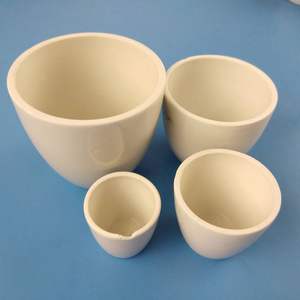
(Boron Nitride Ceramic Crucibles for Vacuum Hot Pressing of Ceramic Matrix Composite Materials)
Suppliers are increasing output to meet rising orders. They are also working closely with research teams to fine-tune purity levels and structural design. This collaboration aims to support next-generation applications that require even tighter tolerances and cleaner processing conditions.