A new generation of aircraft engine parts made from ceramic matrix composites is helping planes fly farther and last longer. These components are much lighter than traditional metal parts. They also handle extreme heat better. This means engines can run hotter without damage. That boosts fuel efficiency and cuts emissions.
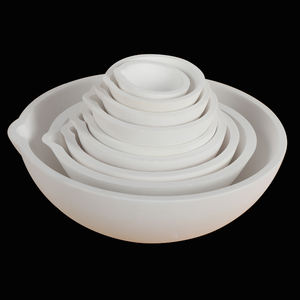
(Ceramic Matrix Composite Components for Aircraft Engines Reduce Weight and Increase Durability)
Engine makers have spent years testing these materials. Now they are ready for real-world use. The shift to ceramic matrix composites marks a big step forward in aviation technology. One key benefit is weight reduction. Lighter engines mean less fuel burned over long flights. Airlines save money. Passengers get more reliable service.
These composite parts work well in the hottest sections of jet engines. Metals used there often wear out fast. Ceramic matrix composites stay strong even at high temperatures. They resist cracking and corrosion. That leads to fewer repairs and longer service life.
Manufacturers say switching to these materials was not easy. Making them requires precise control and new production methods. But the payoff is clear. Planes with these engines perform better. Maintenance costs drop. Safety improves too.
Major aerospace companies are already installing these parts in new engines. Some older models may get upgrades later. Pilots and engineers report good results during early flights. The parts meet strict safety standards. Regulators have approved their use in commercial aircraft.
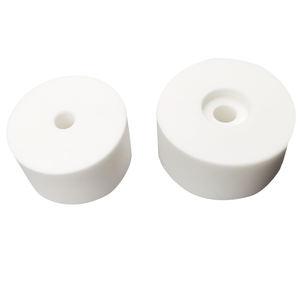
(Ceramic Matrix Composite Components for Aircraft Engines Reduce Weight and Increase Durability)
This innovation builds on decades of research. It shows how material science can solve real problems in flight. Airlines see it as a smart investment. Fuel prices keep rising. Every bit of saved weight helps. Ceramic matrix composites offer a practical answer. They fit into today’s push for greener, smarter air travel.